

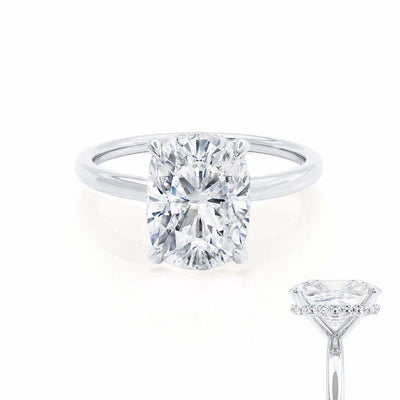
Classic influences remain deeply woven into contemporary design, and their relevance endures for reasons that stretch far beyond nostalgia. In today’s world of rapid visual trends and digital experimentation, many creators and consumers still gravitate toward time tested forms, craftsmanship and symbolism. From fashion to interior design to fine jewelry retailers such as lily arkwright, the continued return to classical motifs reflects a desire for permanence, clarity and emotional connection in a culture that often feels fleeting.
One of the strongest reasons classical aesthetics stay influential is their emphasis on proportion and harmony. Ancient Greek and Roman ideals, for instance, were built around careful balance and studied structure. These traits translate beautifully into modern contexts because they feel both familiar and stable. Whether a designer is crafting a piece of furniture, a public building or a wearable accessory, the underlying frameworks of symmetry and intentional spacing help create something that feels inherently pleasing to the eye. Consumers recognize this instinctively, even if they cannot name the principles at play.
Another factor is the emotional reassurance that classic inspiration provides. Modern life is defined by fast shifts in taste, technology and culture. In contrast, classical references evoke continuity and cultural memory. When a dress or architectural facade incorporates neoclassical lines or Renaissance curves, it signals grounding and longevity. This sense of reassurance is especially appealing in spaces that are meant to soothe and stabilize, such as homes, public institutions or ceremonial environments. Designers often use classical elements to create environments that feel rooted and resilient rather than transient.
Classic motifs also adapt surprisingly well to innovation. Instead of restricting creativity, they often serve as a powerful starting point for experimentation. A jeweler may reinterpret a traditional silhouette using contemporary materials, or a furniture maker may blend minimalist geometry with classical ornamentation. This fusion produces fresh aesthetics that appeal to modern preferences while carrying a lineage of artistry. By reimagining the past rather than copying it, creators maintain relevance and expand the visual language of their craft.
Cultural storytelling plays a major role as well. Classical art and design embody myths, philosophies and symbols that have shaped human consciousness for centuries. When modern creators incorporate these forms, they tap into narratives that audiences recognize and appreciate, even subconsciously. A garment inspired by Victorian tailoring, for instance, conveys elegance and refinement, while a building with Gothic lines may evoke reverence or introspection. These associations are stored in collective memory, and they help new works communicate more deeply.
Furthermore, sustainability trends are pushing many industries back toward principles rooted in classic design. Long lasting materials, craftsmanship and timeless silhouettes align with modern efforts to reduce waste and prioritize durability. Consumers increasingly seek pieces they can enjoy for many years, and classical aesthetics naturally support that desire. Items built on enduring design traditions tend not to feel outdated after a single season, making them both environmentally responsible and emotionally valuable.
Ultimately, the continued influence of classic inspirations is not simply a matter of style. It reflects our search for meaning, continuity and reassurance in an ever changing world. By blending the reliability of traditional forms with the creativity of contemporary vision, today’s designers create aesthetics that honor the past while elevating the present.
