

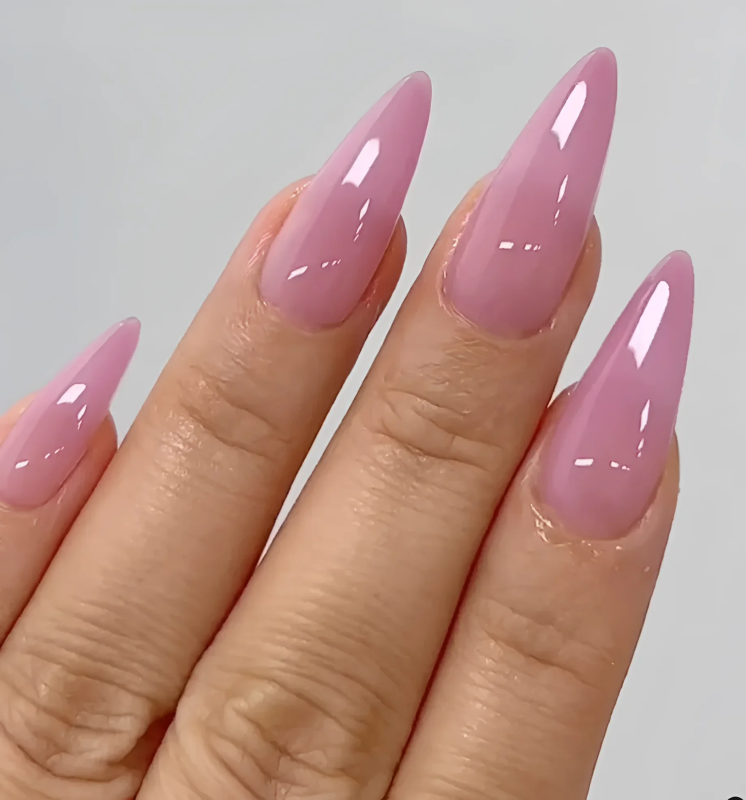
A successful gel manicure often starts before the first coat of colour is applied. Choosing the shade is only one part of the process. Nail length, shape, finish, decoration, and intended use all influence how the final design will look.
Planning these details can make the application stage more efficient and help avoid unnecessary changes halfway through the manicure. It also gives nail technicians and enthusiasts a clearer idea of which products are actually needed.
Decide on the Overall Style First
Before selecting individual colours, decide what type of manicure you want to create. The goal might be a clean everyday look, a soft translucent design, a bold statement set, or something more decorative for an event. Knowing the general direction makes later decisions easier.
Without a clear style in mind, it is easy to combine too many ideas. A manicure may begin as a simple nude design and gradually collect glitter, chrome, gems, and several accent colours.
Starting with one clear theme helps the finished set feel more balanced.
Consider Nail Length and Shape
Nail shape affects how much space is available for colour and detail.
Short rounded or squoval nails may suit simple designs because the smaller surface area keeps everything compact. Almond, oval, or longer shapes can offer more room for gradients, layered effects, and decorative accents.
This does not mean short nails cannot be creative. It simply means the scale of the design should match the space available.
Choosing the shape before finalising the artwork can prevent a design from feeling crowded.
Build a Small Colour Palette
Once the style is clear, choose a limited group of colours.
Two or three shades are often enough for a coordinated set. They may be closely related for a soft look or deliberately contrasting for something stronger.
A limited palette also makes it easier to decide where each colour will appear. One shade can act as the base, another as an accent, and a third can be reserved for small details.
Using fewer colours does not make a manicure less creative. It can actually make the design feel more intentional.
Choose the Right Type of Finish
Colour alone does not determine the final appearance. Finish can completely change how a manicure feels.
For example, Korean Nail Gel Polish may be explored through different styles such as sheer, syrup, magnetic, glitter, or more opaque finishes. Each one creates a different visual result even when the colour family is similar.
A translucent pink can feel soft and understated, while a magnetic pink may create much more movement. A glitter finish can introduce brightness, whereas a simple gloss keeps the look cleaner.
Selecting the finish early prevents conflicting effects later.
Plan Accent Nails Before Application
Accent nails can help create variety, but they work best when their position is considered beforehand.
Instead of deciding randomly during application, choose which nails will carry extra detail. One or two accents on each hand are often enough.
They do not need to be identical. One hand might feature a magnetic effect while the other uses a small decorative element, provided there is a clear visual link between them.
Planning placement helps maintain balance across the full set.
Think About the Occasion
A manicure designed for daily wear may need a different level of decoration from one created for a special event.
For work or everyday use, a cleaner look may feel more practical. For celebrations, holidays, or evenings out, there may be more room for stronger colour, reflective effects, or detailed nail art.
The occasion can also influence how much time should be spent on the design.
A simple manicure may focus on clean colour application, while a more elaborate set may require additional stages for layering and decoration.
Keep Product Instructions in Mind
Different gel products may have different application or curing requirements.
Before beginning, it is useful to check the instructions for the products being used. This is particularly important when combining different finishes or systems within one manicure.
Planning reduces the chance of reaching a stage where the intended technique does not suit the product chosen.
Preparation, layer thickness, and curing should follow the guidance provided for each specific gel.
Leave Room for Small Adjustments
Planning does not mean every detail must be fixed. Once colour is applied, you may decide that a design needs less decoration or that one accent should move to another nail. Small adjustments can improve the final balance.
The purpose of planning is to create direction, not remove flexibility.
Having a basic structure makes it easier to recognise which changes genuinely improve the manicure and which ones simply add unnecessary detail.
Conclusion
Planning a gel manicure before application can make the entire process more organised and the final design more balanced. By deciding on the overall style, nail shape, colour palette, finish, and accent placement in advance, it becomes easier to avoid overcrowding and unnecessary changes. A clear plan also leaves enough flexibility for small improvements during the process, helping professionals and enthusiasts create manicures that feel more coordinated, practical, and visually complete.